
Beer for Beasts A Charity Event Bridging Craft Beer and Community Impact
The intersection of craft beer culture and charitable giving has created memorable community events across America. Among these initiatives, beer for beasts stands out as a model that combines artisanal brewing expertise with animal welfare advocacy. This annual gathering demonstrates how niche communities can leverage their passions to create measurable social impact while fostering connections that extend beyond a single event.
What began as a modest idea among Brooklyn-based beer enthusiasts has evolved into a sophisticated fundraising operation. The concept is elegantly simple: collaborate with talented brewers to create exclusive, limited-edition beers available only at this one-day festival, then direct every dollar of proceeds to organizations that protect and care for animals in need.
The Origins and Mission of Beer for Beasts
The Founding Vision Behind the Charity Beer Event
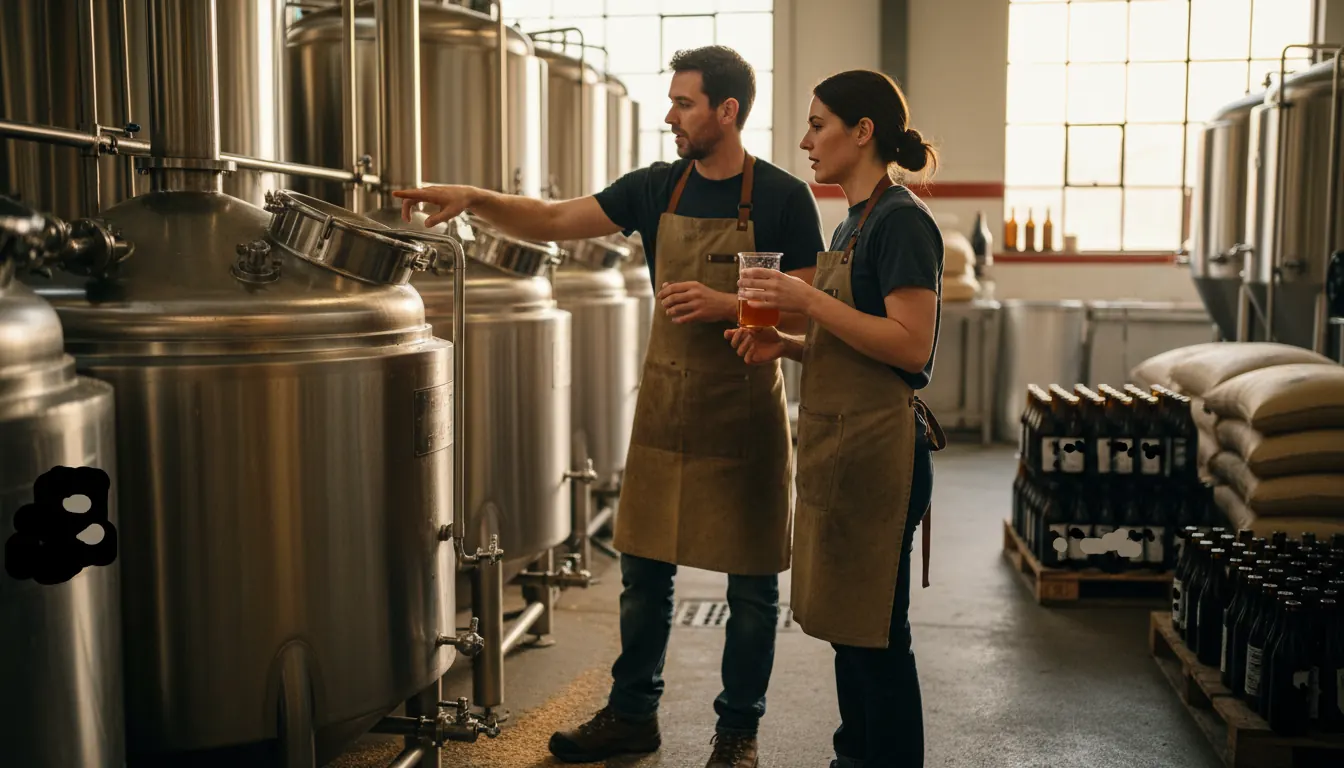
The charity beer event emerged from conversations among craft beer advocates who recognized an opportunity to channel their community's enthusiasm toward animal welfare. Brooklyn's vibrant craft beer scene provided the perfect ecosystem, with dozens of innovative breweries and a culture that celebrated both quality brewing and community engagement. The founders understood that beer enthusiasts appreciate exclusivity and craftsmanship, making limited-edition collaborative brews an ideal fundraising vehicle.
From its inception, the event prioritized authenticity over scale. Rather than creating a massive festival, organizers focused on curating an experience that would attract serious beer enthusiasts willing to pay premium prices for exceptional products while supporting a worthy cause. This strategic decision meant that Beer for Beasts could maintain high standards for both the beverages offered and the charitable outcomes achieved.
How the Humane Society Partnership Began
Selecting the right charitable beneficiary was crucial to the event's identity. The partnership with the Humane Society of New York emerged from shared values between the craft beer community and animal welfare advocates. Many brewery owners and craft beer enthusiasts are pet owners themselves, creating natural affinity for organizations dedicated to animal protection and rescue services.
The Humane Society brought credibility and operational expertise to the partnership. As an established organization with transparent financial practices and measurable outcomes, they provided the accountability that donors increasingly expect. This relationship also opened doors to broader networks of animal advocates who might not typically attend beer festivals, expanding the event's reach and diversifying its participant base.
Annual Event Evolution and Community Growth
Over successive years, the charity beer event has refined its format while maintaining core principles. Feedback mechanisms, including post-event surveys and ongoing dialogue with brewery partners, enabled continuous improvement without compromising the event's fundamental character. This iterative approach has allowed Beer for Beasts to adapt to changing preferences while preserving the authenticity that made it special.
The growth trajectory has been deliberately managed to prevent the event from losing the intimate atmosphere that distinguishes it from larger commercial beer festivals. By capping attendance and maintaining selective brewery participation criteria, organizers have created scarcity that enhances perceived value while ensuring that each edition delivers memorable experiences.
Beer for Beasts Event Structure and Participation
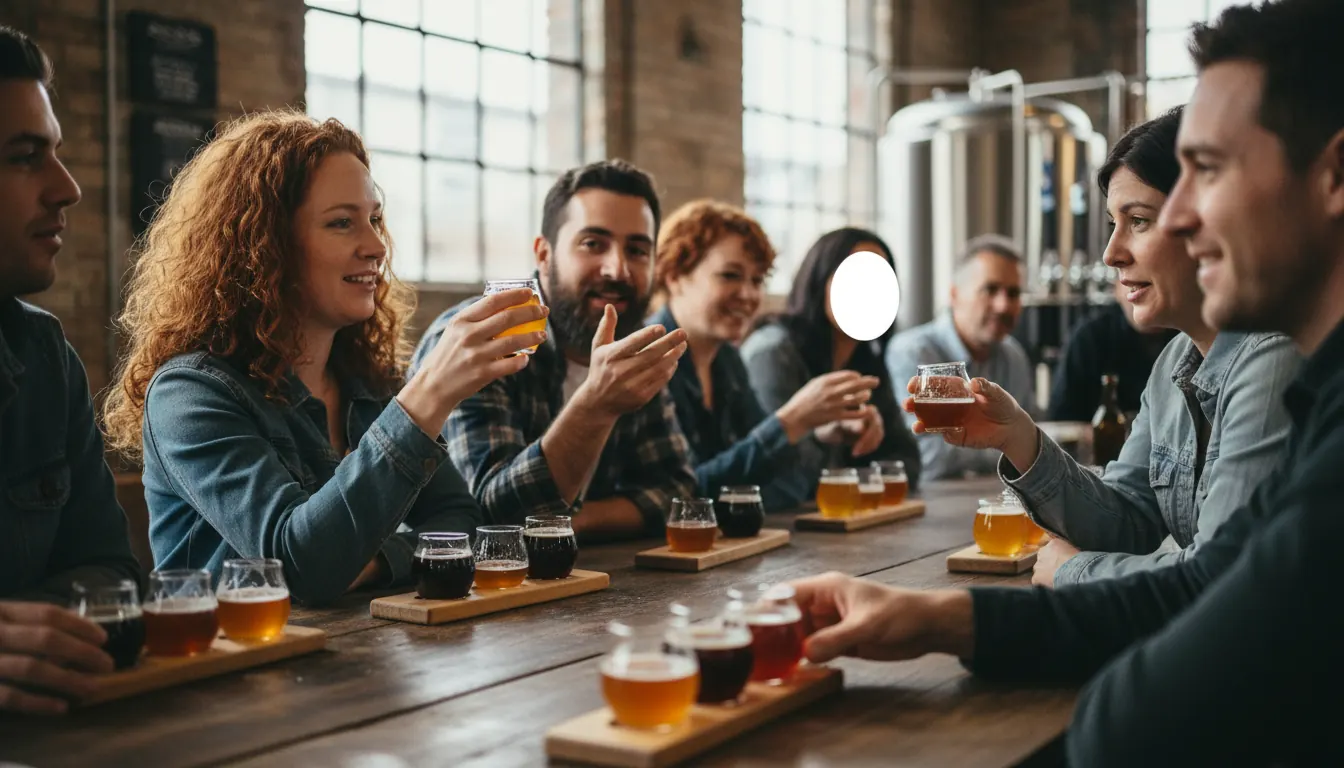
Event Format and Session Details
The organizational structure divides the day into distinct sessions that maximize venue capacity while maintaining comfortable crowd densities. This approach allows more total participants throughout the day, creates multiple opportunities for brewery staff to interact with enthusiasts, and generates additional revenue through separate session ticketing.
| Session Type | Time Slot | Capacity | Ticket Price |
|---|---|---|---|
| Afternoon Session | 1:00 PM - 5:00 PM | 300 attendees | $75-$95 |
| Evening Session | 6:00 PM - 10:00 PM | 400 attendees | $65-$85 |
| VIP Early Access | 12:00 PM - 5:00 PM | 50 attendees | $150-$175 |
| Industry Professional | 1:00 PM - 5:00 PM | 75 attendees | $50-$65 |
Each session includes unlimited sampling of all featured beers, with additional bottles available for purchase. The VIP experience adds exclusive access to rare variants and extended interaction opportunities with brewers, while industry professional tickets acknowledge those who work in beer production by offering reduced pricing in exchange for their promotional support.
Brewery Selection Process and Collaboration Guidelines
Participating breweries undergo careful vetting that considers both their brewing capabilities and alignment with event values. Organizers seek brewers who demonstrate creativity, technical proficiency, and genuine enthusiasm for the charitable mission. This selectivity ensures every beer presented meets high quality standards while maintaining diversity in styles and approaches.
Guidelines for participating breweries emphasize originality and experimentation. Rather than simply bottling existing products, brewers are encouraged to create special editions that showcase innovative ingredients, unusual techniques, or creative interpretations of classic styles. This approach gives attendees access to beers they literally cannot find anywhere else, justifying premium pricing while creating memorable tasting experiences.
Attendee Experience and What to Expect
Participants arrive with high expectations shaped by the event's reputation and premium pricing. The venue atmosphere balances festive energy with purposeful focus on the beverages and their charitable mission. Unlike some beer festivals that emphasize party atmosphere over product appreciation, this event maintains an educational component with brewers available to discuss their creations.
The experience extends beyond simple tastings to include food pairings, live music, and informational displays about the Humane Society's work. These additional elements create a complete event ecosystem where beer remains central but not isolated from broader cultural contexts. Attendees frequently report that the combination of exceptional beverages, worthy cause, and community atmosphere creates a uniquely satisfying experience.
Impact and Success Metrics of Charity Beer Events
Fundraising Results Over the Years
Financial outcomes have consistently exceeded initial projections, with total contributions growing as the event's reputation has strengthened. Early editions raised modest amounts, typically fifteen to twenty thousand dollars. As participation expanded and ticket prices adjusted to reflect increased demand, annual fundraising totals have climbed substantially. The most successful recent events have generated upwards of sixty thousand dollars in single-day proceeds.
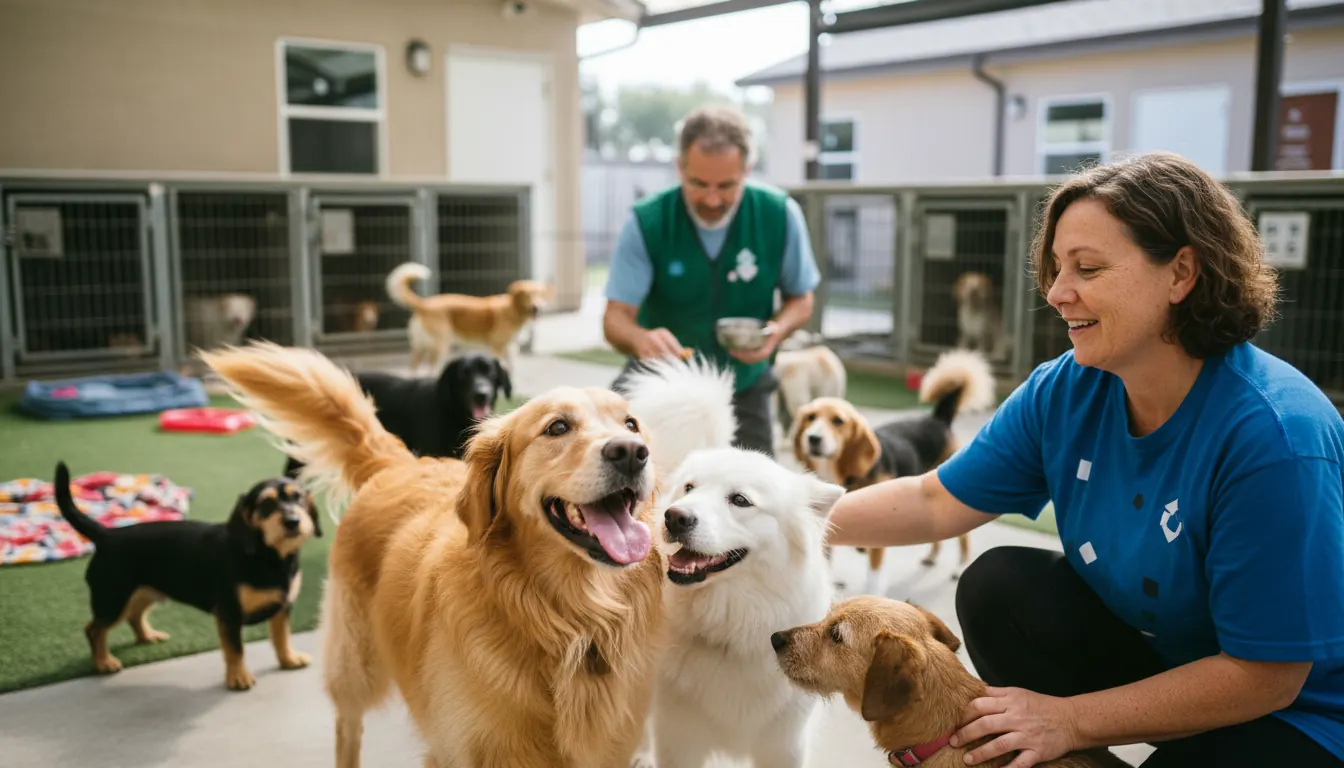
These financial results translate directly into tangible animal welfare outcomes. The funds support veterinary care, shelter operations, adoption programs, and educational initiatives that extend the Humane Society's capacity to serve animals in need. Event organizers maintain transparent reporting about fund allocation, regularly sharing specific examples of how contributions have enabled particular programs or interventions.
Community Engagement and Volunteer Involvement
Beyond direct fundraising, the event has catalyzed broader community engagement with animal welfare causes. Many attendees who initially participated primarily for the beer experience have subsequently become ongoing Humane Society supporters, volunteering their time or making additional financial contributions outside the event context.
- Volunteer coordination teams manage logistics including setup, registration, pouring stations, and breakdown operations, with many volunteers returning annually to support the mission they've come to value through repeated participation.
- Brewery ambassador programs train staff members to effectively communicate about both their beers and the charitable beneficiary, ensuring that every participant interaction reinforces the connection between craft beer appreciation and animal welfare advocacy.
- Social media advocacy networks extend the event's reach far beyond physical attendees, with participants sharing experiences and encouraging their own networks to support similar initiatives in their local communities.
- Photography and documentation volunteers capture the event atmosphere and specific moments that organizers use for future promotional materials, creating authentic visual narratives that communicate the experience more effectively than professional marketing content.
- Community outreach coordinators work throughout the year to maintain relationships with past participants, share updates about the Humane Society's work, and build anticipation for upcoming events through storytelling that keeps the mission visible.
Animal Welfare Outcomes from Event Proceeds
The ultimate measure of success lies in improved outcomes for animals served by the Humane Society. Contributions from Beer for Beasts have funded emergency veterinary interventions for injured animals, supported spay and neuter programs that prevent pet overpopulation, and enabled facility improvements that enhance living conditions for animals awaiting adoption.
Documentation of specific cases where event funds made critical differences provides powerful validation of the model's effectiveness. Stories of individual animals whose lives were saved or improved through Humane Society programs funded partly by this charity beer event create emotional connections that abstract fundraising totals cannot match.
Brewery and Casino Collaborations in Entertainment Fundraising
Why Breweries and Casinos Make Natural Partnership Allies
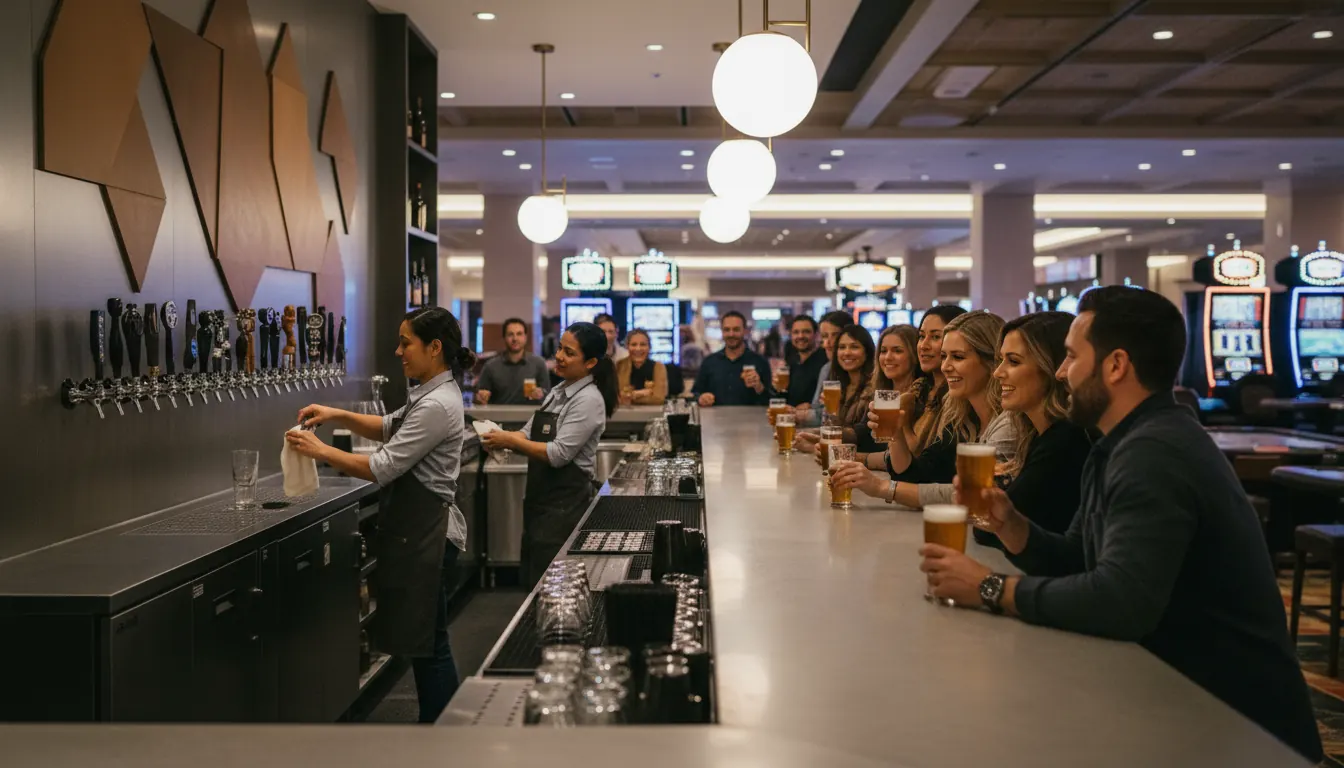
The entertainment industries surrounding craft beer and gaming share surprising commonalities that make collaborations of breweries and casinos particularly effective for charitable initiatives. Both sectors attract audiences seeking experiential entertainment rather than simple commodity consumption, with participants willing to pay premium prices for quality experiences in social settings. This shared emphasis on atmosphere, craft, and community creates natural synergies when organizations from these industries partner on fundraising events.
Casinos have increasingly recognized craft beer as an amenity that enhances their hospitality offerings and attracts desirable customer demographics. Many gaming destinations now feature craft beer bars or brewpubs as alternatives to traditional casino beverage programs. This evolution has created opportunities for breweries to expand their distribution networks while gaining access to casino marketing resources and customer bases that might not typically visit traditional taprooms.
Successful Models of Cross-Industry Charitable Ventures
Innovative partnerships between brewing and gaming establishments have produced fundraising models that leverage the strengths of both industries. These collaborations often take forms that benefit from casino venues' infrastructure and promotional capabilities while featuring breweries' products and brand identities.
- Brewery-sponsored poker tournaments held in casino venues feature craft beer tastings between tournament rounds, with entry fees supporting local animal shelters or other community causes while participants enjoy both gaming competition and beverage appreciation.
- Limited-edition casino collaboration beers created specifically for gaming resort taprooms generate revenue sharing arrangements where portions of sales support designated charities, combining ongoing fundraising with unique products that attract beer collectors and casino patrons.
- Beer and blackjack pairing events offer educational seminars about craft beer styles followed by casino gaming sessions with brewery representatives, creating hybrid experiences that appeal to audiences interested in either or both activities.
- Brewery takeover weekends at casino resorts feature multiple beer-focused events across the property including tastings, food pairings, and educational sessions, with a portion of all food and beverage revenue supporting predetermined charitable causes.
- Cross-promotional loyalty programs link brewery membership programs with casino player rewards systems, enabling participants to earn benefits in both venues while automatically contributing small amounts to charity partners each time they make qualifying purchases or wagers.
Legal and Regulatory Considerations for Joint Promotions
Navigating the regulatory landscapes governing both alcohol distribution and gaming operations requires careful attention to jurisdiction-specific rules. Breweries and casinos both operate under strict licensing requirements that can limit certain types of promotional activities or partnership structures. Successful collaborations typically involve legal counsel familiar with both industries to ensure full compliance with regulations governing alcohol service, gaming promotions, and charitable fundraising.
Despite these complexities, the regulatory challenges are manageable with proper planning and professional guidance. Many jurisdictions have established frameworks for charitable gaming events and alcohol-related fundraising activities, providing clear pathways for compliant execution of collaborative initiatives.
Organizing a Successful Charity Beer Event
Venue Selection and Logistics Planning
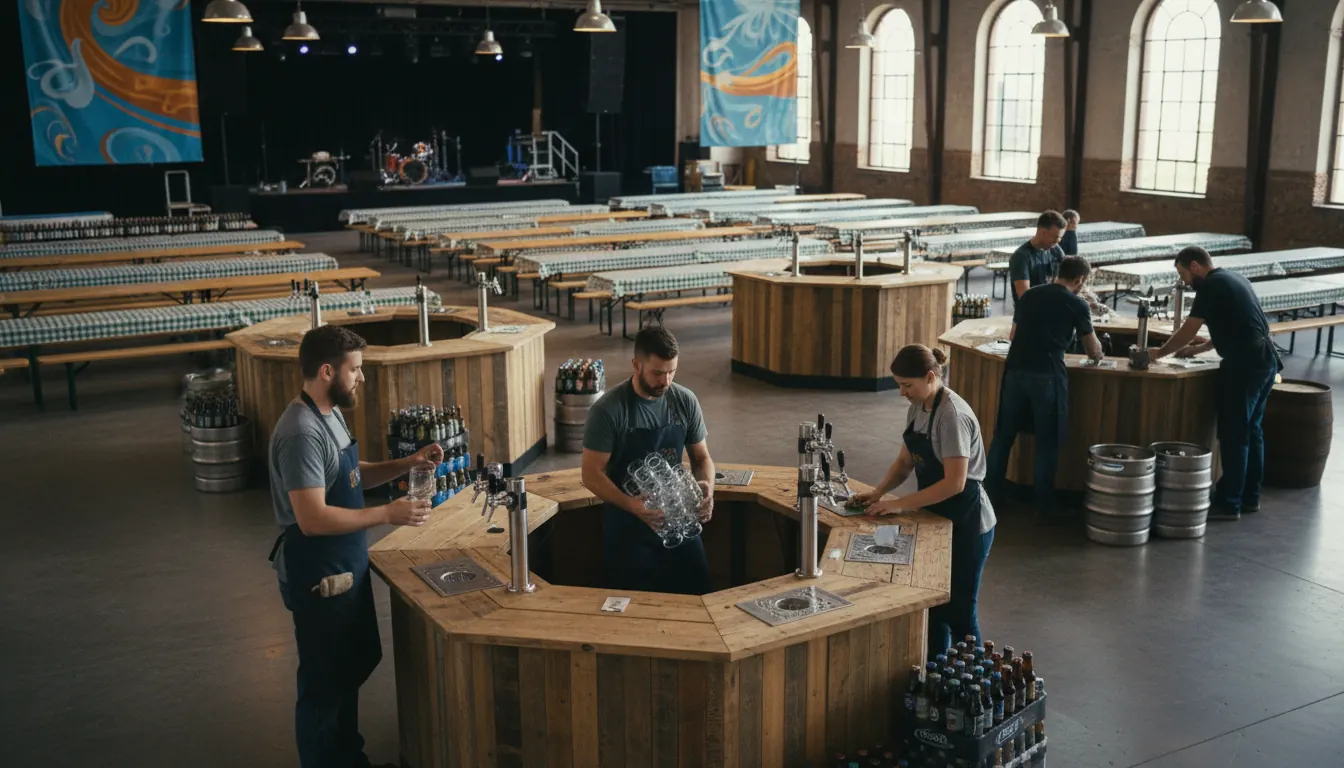
Choosing an appropriate location forms the foundation for operational success. The ideal venue balances accessibility, capacity, and atmosphere while providing necessary infrastructure including adequate cooling for beer storage, sufficient serving stations to prevent excessive wait times, and layout configurations that facilitate comfortable movement even at capacity attendance levels.
| Venue Type | Capacity Range | Average Cost | Permit Requirements |
|---|---|---|---|
| Brewery Taproom | 150-300 | $500-$1,500 | Beer license, temporary event |
| Event Hall | 300-600 | $2,000-$5,000 | Special event, liquor license |
| Outdoor Festival Space | 500-1,500 | $3,000-$8,000 | Multiple permits, insurance |
| Casino Event Center | 400-1,000 | $2,500-$6,000 | Gaming authority approval, alcohol |
Each venue type presents distinct advantages and challenges that organizers must evaluate against event priorities and budget constraints. Brewery taprooms offer authenticity and lower costs but may lack capacity for larger gatherings. Dedicated event halls provide flexibility and professional amenities but can feel impersonal without careful atmospheric curation.
Marketing Strategies and Community Outreach
Effective promotion balances broad awareness building with targeted outreach to likely participants. Early campaigns focus on brewery communities and craft beer enthusiast networks where the event concept resonates naturally. Social media platforms enable cost-effective reach to these audiences, particularly when brewery partners amplify messages through their own channels.
As the event date approaches, marketing shifts toward creating urgency through countdown messaging and highlighting limited availability. Testimonials from past participants, behind-the-scenes content showing beer creation processes, and updates about the Humane Society's work maintain engagement while reinforcing both the experiential and charitable value propositions.
Post-Event Analysis and Sustainability Planning
Comprehensive evaluation following each event identifies successes to replicate and challenges to address in future editions. Organizers collect data on ticket sales patterns, beverage consumption rates, participant feedback, and operational efficiency to inform continuous improvement efforts. Financial analysis extends beyond simple fundraising totals to examine revenue sources, cost drivers, and opportunities for enhanced profitability.
Long-term sustainability requires building institutional knowledge and maintaining key relationships between annual events. Documenting processes, preserving contact information for successful vendor partners, and cultivating ongoing connections with participating breweries creates organizational capacity that reduces planning burdens for subsequent events.
FAQ
What is a brewery collaboration?
A brewery collaboration occurs when two or more brewing companies work together to create a special beer that combines their expertise, ingredients, and creative visions. These partnerships often result in unique products that showcase different brewing philosophies or techniques merged into single offerings. The practice has become increasingly common in craft beer culture as brewers recognize both the creative opportunities and business benefits of combining resources and reputations.
How to partner with a casino?
Establishing a partnership with a casino requires understanding their business objectives and demonstrating how collaboration serves their interests. Begin by researching casinos that already show interest in craft beer through existing taproom operations or special event programming. Develop a clear proposal that outlines mutual benefits including enhanced amenities for casino patrons, positive community relations through charitable components, and potential revenue generation through unique offerings or events.
What makes Beer for Beasts unique among charity events?
Beer for Beasts distinguishes itself through absolute commitment to directing one hundred percent of proceeds to the Humane Society of New York, eliminating any ambiguity about fund allocation. The exclusive nature of featured beers creates genuine scarcity and collectibility that justifies premium pricing while ensuring participants receive exceptional value. The focused mission around animal welfare resonates deeply within the craft beer community where many enthusiasts are passionate pet owners.
How much money has Beer for Beasts raised?
While specific cumulative totals vary depending on how many years of operations are included, successful recent editions have generated sixty thousand dollars or more in single-event proceeds. Over multiple years of operation, total contributions have reached well into six figures, funding substantial programs and interventions that meaningfully expand the Humane Society's capacity to serve animals in need throughout New York.
Can other cities replicate the Beer for Beasts model?
The fundamental approach is highly transferable to communities with active craft beer scenes and animal welfare organizations seeking innovative fundraising methods. Success requires adapting the model to local market conditions including pricing appropriate for regional cost structures, brewery selection reflecting local talent, and venue choices aligned with available infrastructure. Cities with strong craft beer cultures and histories of charitable giving provide ideal conditions.
What types of beers are featured at the event?
The beer selection emphasizes creativity and diversity rather than adhering to specific style requirements. Participating brewers receive encouragement to experiment with unusual ingredients, rare techniques, or innovative interpretations of traditional styles that showcase their capabilities. This approach results in lineups spanning the full spectrum of beer styles including hop-forward IPAs, complex barrel-aged stouts, refreshing sour ales, and experimental mixed-fermentation products.
How do proceeds benefit the Humane Society?
Funds support comprehensive animal welfare programming including emergency veterinary care for injured or ill animals, spay and neuter initiatives that prevent pet overpopulation, adoption services connecting animals with permanent homes, and educational programs promoting responsible pet ownership. The Humane Society maintains transparent accounting that allows donors to understand exactly how contributions translate into tangible outcomes for animals.
Conclusion
The Beer for Beasts model demonstrates how niche communities can leverage their passions to create meaningful social impact. By combining craft beer culture's appreciation for quality and exclusivity with animal welfare advocacy's moral urgency, this charity beer event has established a sustainable fundraising approach that benefits from authentic alignment between entertainment offerings and charitable missions.
The emerging collaborations of breweries and casinos represent natural evolution of this model, recognizing shared audiences and complementary capabilities that can enhance both participant experiences and charitable outcomes. Success ultimately depends on maintaining focus on core values including quality experiences, transparent fund management, and genuine commitment to causes that resonate with participant communities.